
Culture And Science Exchange (CASE)
What is Culture And Science Exchange (CASE)?
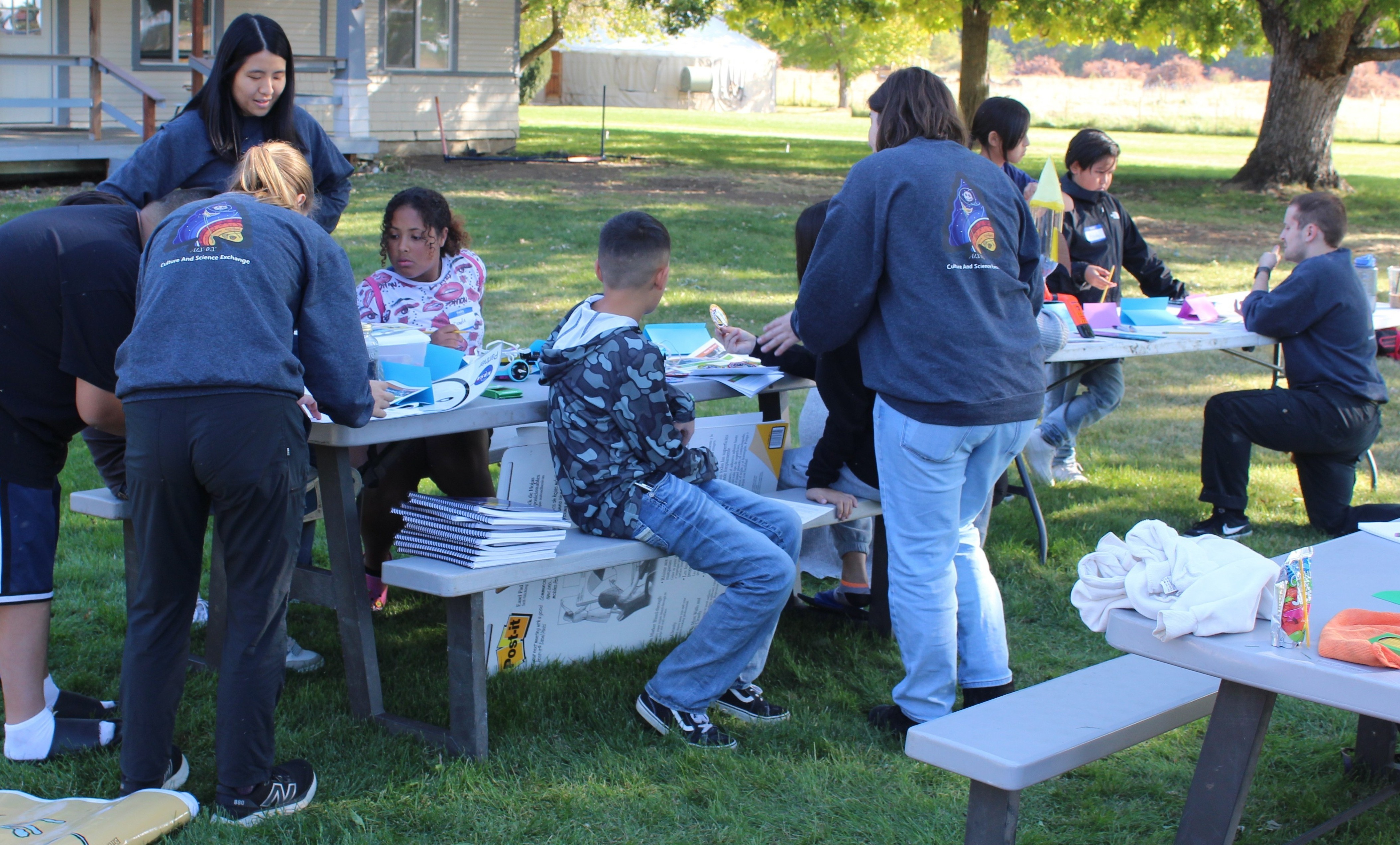
Culture And Science Exchange (CASE) is a year-long mentorship program built on partnerships between UW Riverways and the Campbell Farm Community Center/the Confederated Tribes and Bands of the Yakama Nation, the Quileute Tribe, and the Makah Nation.
This program is built around the concept of reciprocity and exchanging of cultural and scientific knowledge between UW students and partner communities who both equally learn from and teach each other. Through this program, UW undergraduates mentor students, provide hands-on STEM activities, and encourage K-12 students to consider pathways to STEM higher education and careers. UW students also engage with partner communities to better understand their history and culture, and participate in various traditional cultural activities and events.
What Do CASE Mentors Do?
UW student CASE Mentors meet weekly each quarter to learn about the rich history and culture of their partner communities, learn about equitable educational practices, and prepare lesson plans and learning resources which they implement via quarterly site visits (UW students travel to the partner site) or campus visits (K-12 students come to the UW Seattle campus) with the goal of programming that braids together both Western science and Indigenous ways of knowing. CASE Mentors also participate in STEAM Alternative Spring Break as part of their year-long experience.
What is the Program Timeline?
Autumn Quarter
- Weekly team meetings (date & time TBD to accommodate everyone's schedule)
- Learn about the rich history and culture of your partner community
- Co-create learning resources with community partners
- Plan and implement an introductory site visit to partner communities
- Plan and implement a UW campus visit
Winter Quarter
- Weekly team meetings (date & time TBD to accommodate everyone's schedule)
- Continue to learn about the rich history and culture of your partner community
- Continue to co-create learning resources with community partners
- Plan and implement a UW campus visit or partner site visit
- As part of STEAM ASB (March 21 – 26, 2027), develop and implement a lesson plan that is culturally sustaining, gender-responsive, and accessible
Spring Quarter
- Weekly team meetings (date & time TBD to accommodate everyone's schedule)
- Continue to learn about the rich history and culture of your partner community
- Continue to learn about braiding Indigenous ways of knowing and Western science
- Continue to co-create learning resources with community partners
- Plan and implement a UW campus visit or partner site visit
What Communities Do We Work With?
Since the CASE programs are built around partnerships with three communities, we have three student teams who each partner with a specific community. Learn more below about each CASE team:
CASE-Yakama
CASE-Yakama partners with the Campbell Farm Community Center on the Yakama Reservation. Campbell Farm hosts a weekly after-school STEAM club for middle school students. CASE-Yakama Mentors work with club participants and mentor one high school student intern. Mentors develop STEM learning experiences that reflect community priorities and incorporate Yakama cultural practices and language (Ichishkíin Sínwit) where appropriate.
CASE-Quileute
CASE-Quileute partners with the Quileute Tribal School on the Quileute Reservation. CASE-Quileute Mentors work with the high school classes and mentor a cohort of 3-4 high school student interns. Mentors work with the school’s language and culture teachers to develop STEM learning experiences grounded in Quileute community priorities, culture, and language.
CASE-Makah
CASE-Makah partners with Neah Bay Schools on the Makah Reservation. CASE-Makah Mentors work with the high school classes and mentor a cohort of 3-4 high school student interns. Mentors work with the school’s language and culture teachers to develop STEM learning experiences connected to Makah community priorities, culture, and language.
How to Get Involved
Join the Riverways Student Opportunities mailing list to be notified when applications for CASE open.
JOIN THE RIVERWAYS MAILING LIST
Questions?
If you have questions about CASE, please contact the Riverways team for more information.
The Culture And Science Exchange program is made possible through the generous support of the Vadon Foundation.
At A Glance
- Time Commitment: Academic year (autumn–spring); weekly team meetings plus site visits, campus visits, and STEAM ASB.
- Compensation: CASE Mentors receive a quarterly stipend and an AmeriCorps education award. CASE-Quileute and CASE-Makah Team Leaders receive graduate assistantship support.
- Application: Required.
- Preparation: Weekly team meetings.
- Locations: Yakama Nation, Quileute Tribe, Makah Nation, and UW Seattle campus.
- Travel: Required; CASE teams travel periodically to their partner communities.
JOIN STEAM ASB!
Looking for a shorter-term opportunity?
Spend UW’s spring break co-facilitating culturally relevant & sustaining STEAM learning experiences with K–12 students in rural and Tribal communities across Washington.