
Student Stories
Milo Schwindt

In your own words, what is the CASE-Yakama program and what drew you to apply?
CASE-Yakama is a community-centered outreach program that incorporates science, culture, and education in partnership with Campbell Farm and local students in the Yakima Valley. We focus on a lot of NASA STEM activities, which are a pretty core part of the program but this year we’ve expanded into topics that incorporate Indigenous storytelling and agriculture and other topics into STEM that come back to the community and what they value.
I’ve been a part of the Riverways program for a little over three years and with the CASE program coming on two years and what drew me to do the full-year CASE program was my involvement with STEM ASB, which is a week-long program with a full quarter of prep. What initially got me interested in Riverways was my previous experience working with kids. In high school I had the opportunity to work in an outdoor school program in Oregon that focused on ecology outreach for middle schoolers. STEM ASB had a similar theme of outreach so it really aligned with me. Somewhere along the way, I realized I had caught the outreach bug. I love science, I love teaching, and I love working with students and CASE-Yakama felt like the perfect place where all of those passions could come together.
What types of activities have you done with students through CASE-Yakama? What are some of your favorite memories from these activities?
With CASE last year we completed the Artemis Roads III Challenge with NESSP. It’s a STEM challenge through NASA that we worked on throughout the school year, and we ended up winning a trip to the Kennedy Space Center with our students!
This year we are continuing to focus on STEM and NASA, really focusing on the engineering design process. Coming up, we are working on a space tools activity for our students and through using the engineering design process, the students are designing and developing space instruments to collect moon rocks like in space. Across all activities, the goal has been to make science hands-on, creative, and connected to students’ lives.
My favorite memory of all time was last year during spring break when we had been teaching our rocket lesson plan. The students were designing their rockets in groups and there were some groups that sort of just slapped a nose cone on their rocket and called it a day, while others were taking a little more time with their designs but we had this one group of two that was really meticulously putting their rocket together going above and beyond the usual with their design process. When it was time to launch the rocket, it had the most perfect launch ever; it just went straight up. Then the wind picked up the rocket and it landed right onto the roof and the students lost their minds and it was an amazing thing to be able to experience that with them. It was hilarious, unforgettable, and really meaningful. It showed what focus, creativity, and persistence can achieve. These are the memories I hope stick with them when they think about STEM and school.
What have you learned from working with Campbell Farm and the Yakama Nation?
I started my relationship with Campbell Farm my freshman year during STEM ASB and really fell in love with the community, people, and area. I’ve continued my work with the community since then and this last summer had the opportunity to work as their summer intern, where I supported the summer day camp and the free meal program they provide at the farm.
Something that was instilled in me was the value and importance of family that the community held. Family was not just by blood; everyone was family. You work hard to serve your family with dedication and selflessness. The biggest lesson I took away was the idea of “others over self.” Serving the community isn’t just about showing up; it’s about commitment, connection, and humility. My time at the farm reinforced something I’ve always felt that my purpose is rooted in service and supporting others.
Was there ever a moment for you that changed the way you saw K-12 community engagement?
There isn't really just a single moment; it was a shift in mindset. In the Outdoor School I did back in highschool, I taught using this standardized canned curriculum where every student received the same rushed lessons regardless of their background or community. There was nothing really in these lessons/activities that was tailored to them and their experiences. This method can work in some ways but it lacked flexibility and cultural relevance.
With the Riverways and CASE program it was a lot different. I learned the importance of adapting curriculum to the communities we serve. Instead of teaching from a script, we shape lessons around students’ experiences, culture, and interests. That shift transformed how I understand outreach and how it’s not about just delivering content but about building meaningful, responsive learning experiences.
What’s your favorite quote from a student?
One of the most impactful moments happened during a terrarium project at Toppenish Middle School. A student who had recently returned from suspension and rarely participated in class gradually became more engaged throughout the week. By the end, he told me it was the first time he had ever felt smart. He also shared dreams of going to college and pursuing sports, despite challenges in his life. That moment reminded me how powerful it is when students feel safe, seen, and capable. It wasn’t just a quote, it was a turning point that showed what supportive learning environments can unlock.
Why is the work that you are doing important?
I believe STEM outreach is important not just for teaching scientific concepts but for creating a sense of safety and belonging in learning. When students feel unsafe or disconnected from a subject, they’re less likely to pursue it. Through programs like CASE we get to help and play a role in students building positive memories around science. Especially in underserved communities, this kind of engagement is really important and impactful and it builds that confidence and curiosity in them. The program itself was created in response to a real need, which is to provide opportunities for students who might not otherwise have access to STEM experiences. Outreach, in this sense, isn’t extra but essential.
What is your biggest accomplishment with the program?
One of the biggest accomplishments was helping and supporting students through the Artemis challenge and seeing them earn a trip to Florida. While the achievement that completely belonged to the students, being part of their journey and helping them reach that goal was incredibly rewarding. We got to see all their hard work and effort from over the course of the year be awarded and celebrated. Visiting places like Kennedy Space Center and Cape Canaveral with them was more than a trip; it was a glimpse into their potential futures. Watching students realize what they are capable of was one of the most meaningful experiences I’ve had in the program.
How has being a part of CASE-Yakama impacted your goals and dreams for the future?
Learn more about this opportunityI wouldn't say that the CASE program changed my goals but instead I would say that it clarified them. Being part of the program reaffirmed that working with students is what I want to do long-term. Teaching and mentorship are the kinds of work that energize me, even when they’re challenging. Through CASE, I’ve gained a lot more confidence in my path and a stronger commitment to education and community engagement. It’s not just something I enjoy, it's something I can see myself doing for the rest of my life.
More Stories
Alisa Torres
My involvement with the Jumpstart program has truly shown me what it really means to serve others altruistically in our communities.
Ann Margaret
The needs of these communities are often neglected in science, so I hope to do something in the future where I can advocate for communities that are close to the land, and be able to bridge the gap between social and environment needs.
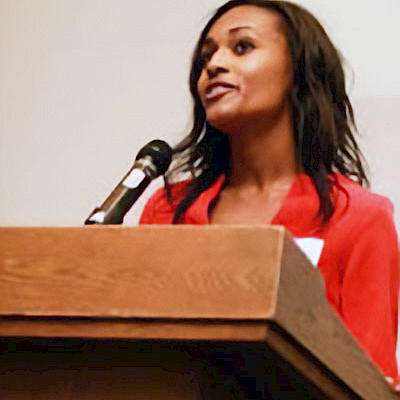
Ariana Westbrook
As a result of my service with Jumpstart, I have confidence in the methods I use when I work with children.
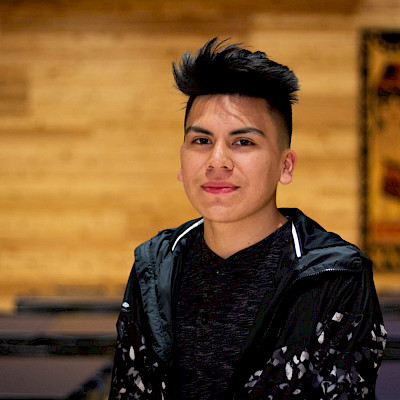
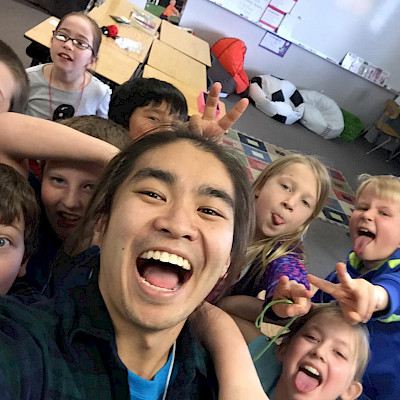
Chad
Riverways Rural & Tribal Programs
Particularly, it highlighted the reciprocal nature of learning and growth gained when mixing two very different communities.
Christine Young
I went into UW thinking I had wanted to become a Pharmacist but when I volunteered as a Jumpstart member, I knew teaching was my passion. After I graduated, I was hired as a teacher at the site I had volunteered at.
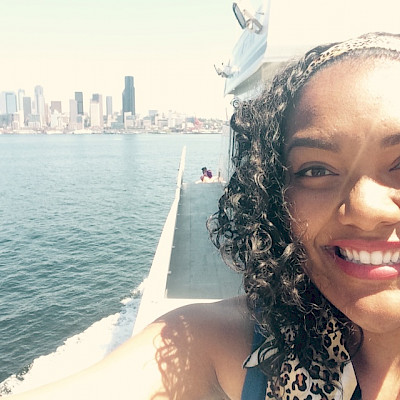
Dawn
Riverways Rural & Tribal Programs
ASB allowed children to have a voice, adults to hear those voices and lend resources, and communities to show each other what their homes and journeys were all about.

Feben Gebremichael
Ellis Civic Fellowship
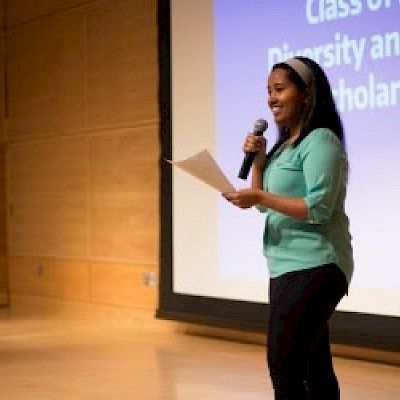
As part of the fellowship, I worked with a number of different organizations. First I explored local food banks, then a brief internship with Ventures, a non-profit that helps equip people with the tools they need to start their own businesses, then with the Dream Project.
Geetika
CELE K-12 Tutor or Mentor
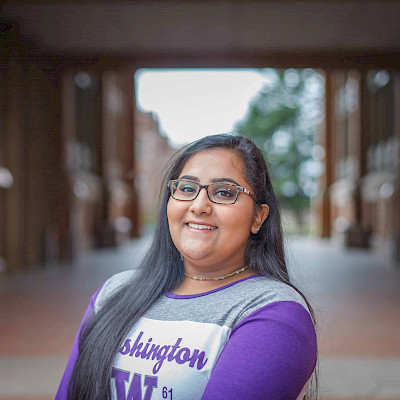
I was initially going back and forth between major and career options, but being a tutor has helped me find a home in the School of Social Work.
Heaven Tesfamariam
Ellis Civic Fellowship
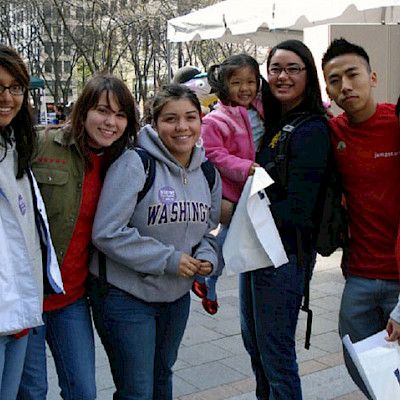
The Ellis Fellowship had an impact on my post-graduation plans because of the service component, which made me more involved in my community–especially the Eritrean Community Center. One of my biggest commitments with them has been mentoring YPFDJ (Young People Stand for Democracy and Justice).
Jillian
CELE K-12 Tutor or Mentor
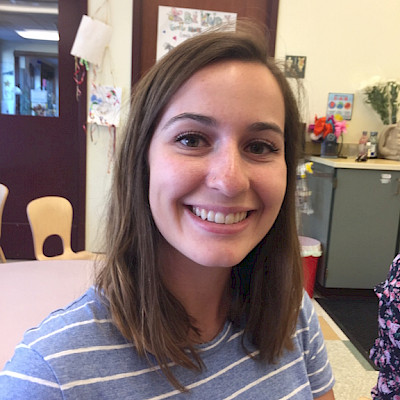
I love the one-on-one work with students, and strongly believe in the value of mentoring young children.
Joy Levine
Ellis Civic Fellowship
Twelve thousand of our neighbors are currently experiencing homelessness and countless more live with unstable housing due to high rents. My Ellis Fellowship service commitments with Mary’s Place, Pike Market Senior Center, and ROOTS Young Adult Shelter gave me a passion for affordable housing policy and bringing down barriers to housing for our at-risk neighbors.
Kaylen
CELE K-12 Tutor or Mentor
Being a tutor has definitely opened my eyes to see how important it is to be a consistent person in these kids’ lives.
Kiss’Shonna Curtis
Ellis Civic Fellowship
I’d like to be active in being a part of the change for Seattle’s homeless population and advocating for more mental health resources.
Nancy Huizar
Ellis Civic Fellowship
As a young woman of color, I researched and have experienced how historically and in present-day communities, People of Color have been intentionally kept out of decision-making on important environmental issues.

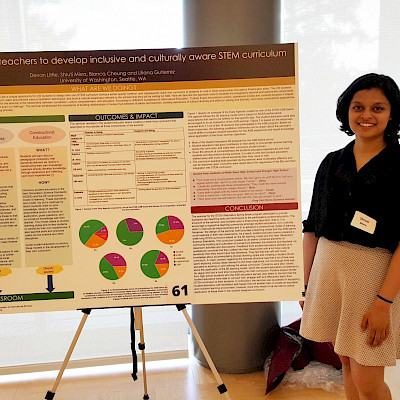
Shruti
My experience gives me hope for the future, because I know that there are people out there, such as the ones at CELE who are trying to elevate under-privileged communities and their youth and bringing us closer to equity in not just education but all aspects of society.
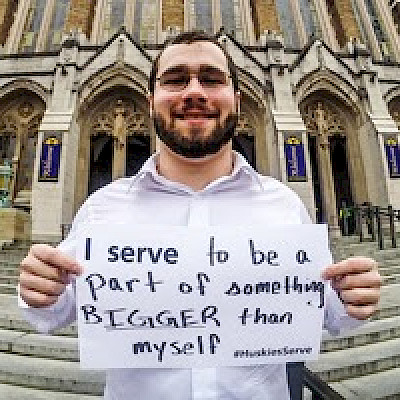
Steven Rowe
Ellis Civic Fellowship
As a fellow, I participated as a Union Gospel Mission front desk assistant, a youth tutor for the Seattle public library (Delridge branch), a Somali Community Services tutor, and a Juvenile Detention Center activity facilitator.
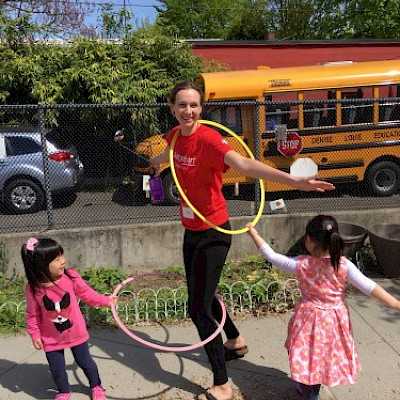
Tehya Widmann
I joined Jumpstart because I wanted to keep working with children even though I was pursuing a non-education major.
Vy Tran
Ellis Civic Fellowship
The majority of my time was spent organizing events, working on the curriculum, and getting more mentors onboard. We were also placed in special storytelling and community classes together, which were pretty amazing…some of the most interesting topics I’ve ever been presented with in college.